
Our Materials Philosophy
-
Wood isn't static — it never was and never will be. Even after it leaves the forest, every board continues to breathe: absorbing moisture when the air is humid, releasing it when the air dries. Scientists call this hygroscopicity. The US Forest Service documents that wood shifts roughly 1% in moisture content for every 5% change in relative humidity — meaning the wood in a finished piece is in constant, slow conversation with the room it lives in.
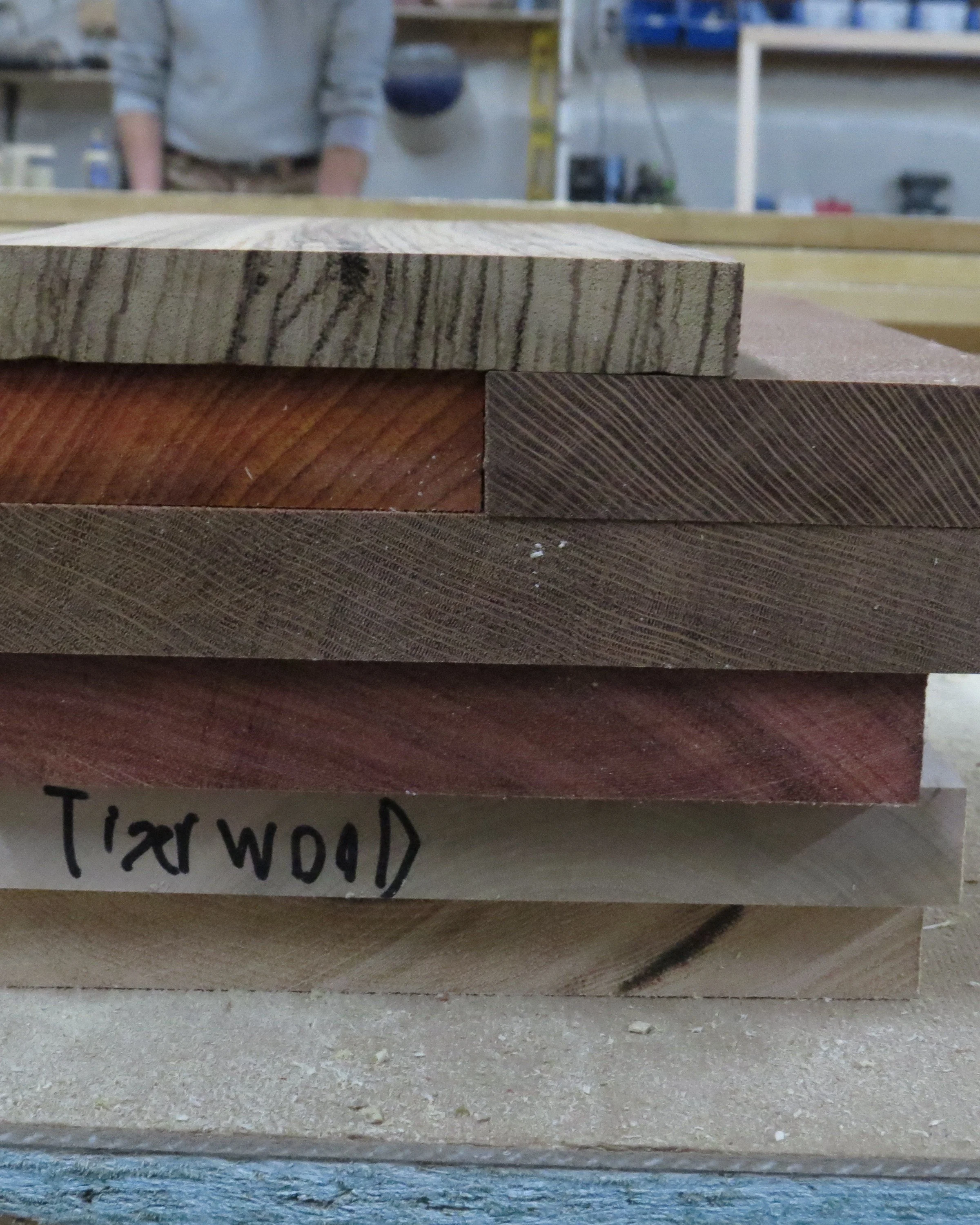
We design around that conversation, not against it. Species are chosen for how they move — some expand more radially, others tangentially, and the difference changes how joinery behaves over decades. Grain direction determines where machining cuts clean and where it wants to tear. We study a board before we commit to it. We design the piece around what the wood wants to do and where its figure will land in the room.
No two boards are alike — not from the same pile, not from the same log. Wood grain is a literal fingerprint: forensic scientists use the unique cellular patterns of individual boards to track timber identity across supply chains. What you're reading in the figure of a plank is the tree's growth history — every ring a year, every ripple a season of drought or abundance, every ray a record of how nutrients moved through living tissue. A board in our shop may have started growing around 900 AD. That grain rolling across its surface is a topographic map of a thousand years.
We don't design over that. We design with it. Joinery that earns its keep. Machining where precision matters. Hand-finishing where the eye lives. We build in solid hardwood, every time — no veneered MDF dressed up as cabinetry. The visible surfaces are real wood, all the way through.
You aren't looking at a board. You're looking at a millennium of patience, preserved in wood.
A board in our shop may have started growing around 900 AD. The grain rolling across its surface is a topographic map of time — each ripple marking seasons that came and went before most nations existed. We don't treat that lightly. We study the board before we commit to it. We design the piece around what the wood wants to do and where its figure will land in the room.
We build in solid hardwood, every time — no veneered MDF dressed up as cabinetry. The visible surfaces are real wood, all the way through. You aren't looking at a board. You're looking at a millennium of patience, preserved in wood.
-
Wood is hygroscopic — it breathes. Like skin, it absorbs and releases moisture in direct response to its environment: swelling when the air is humid, contracting when it dries. This never stops. The US Forest Service documents that wood gains or loses roughly 1% moisture content for every 5% change in relative humidity — meaning a cabinet built in February reads differently by August in the same kitchen.
That relationship with moisture is exactly why finish choice isn't decorative. It's structural.
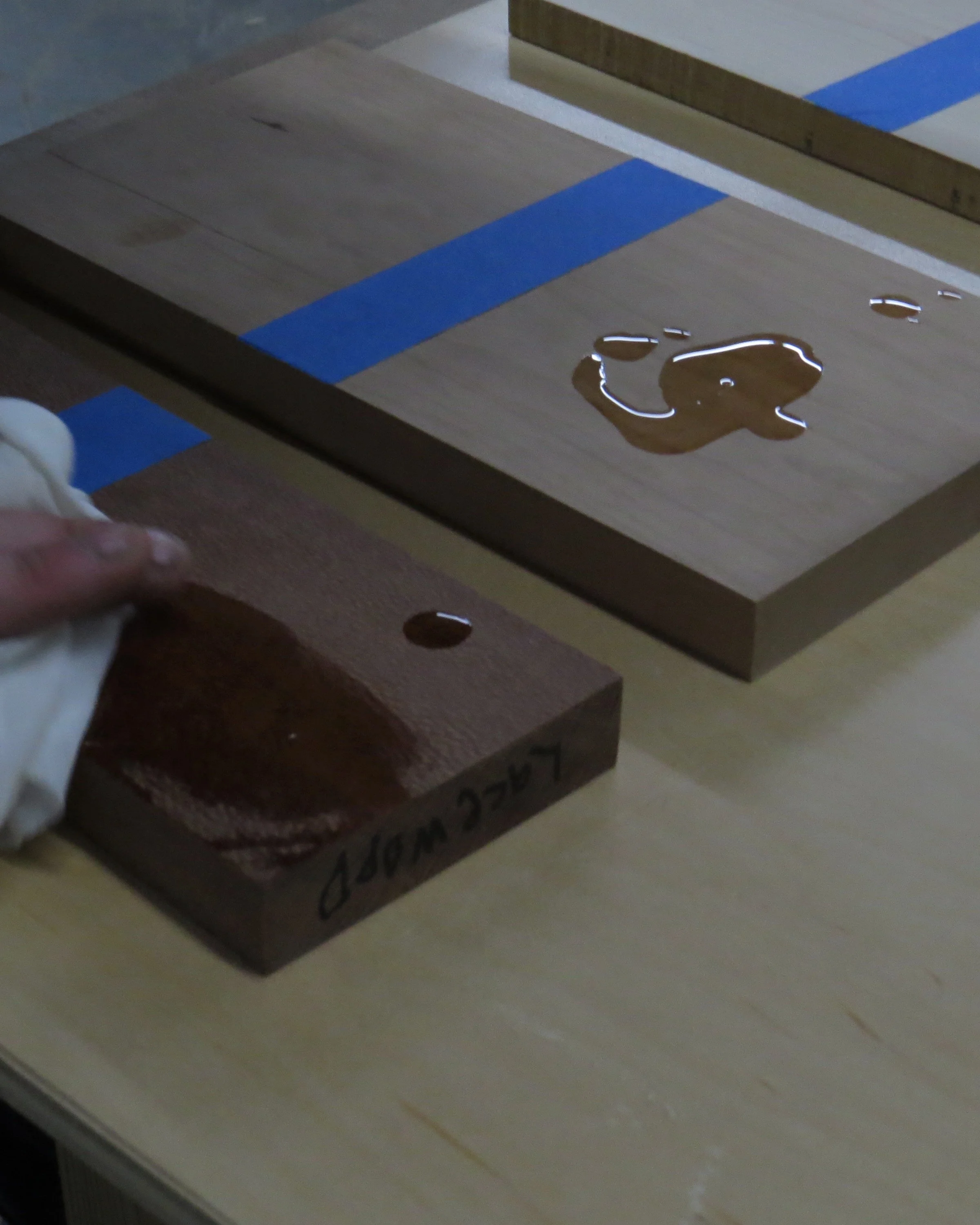
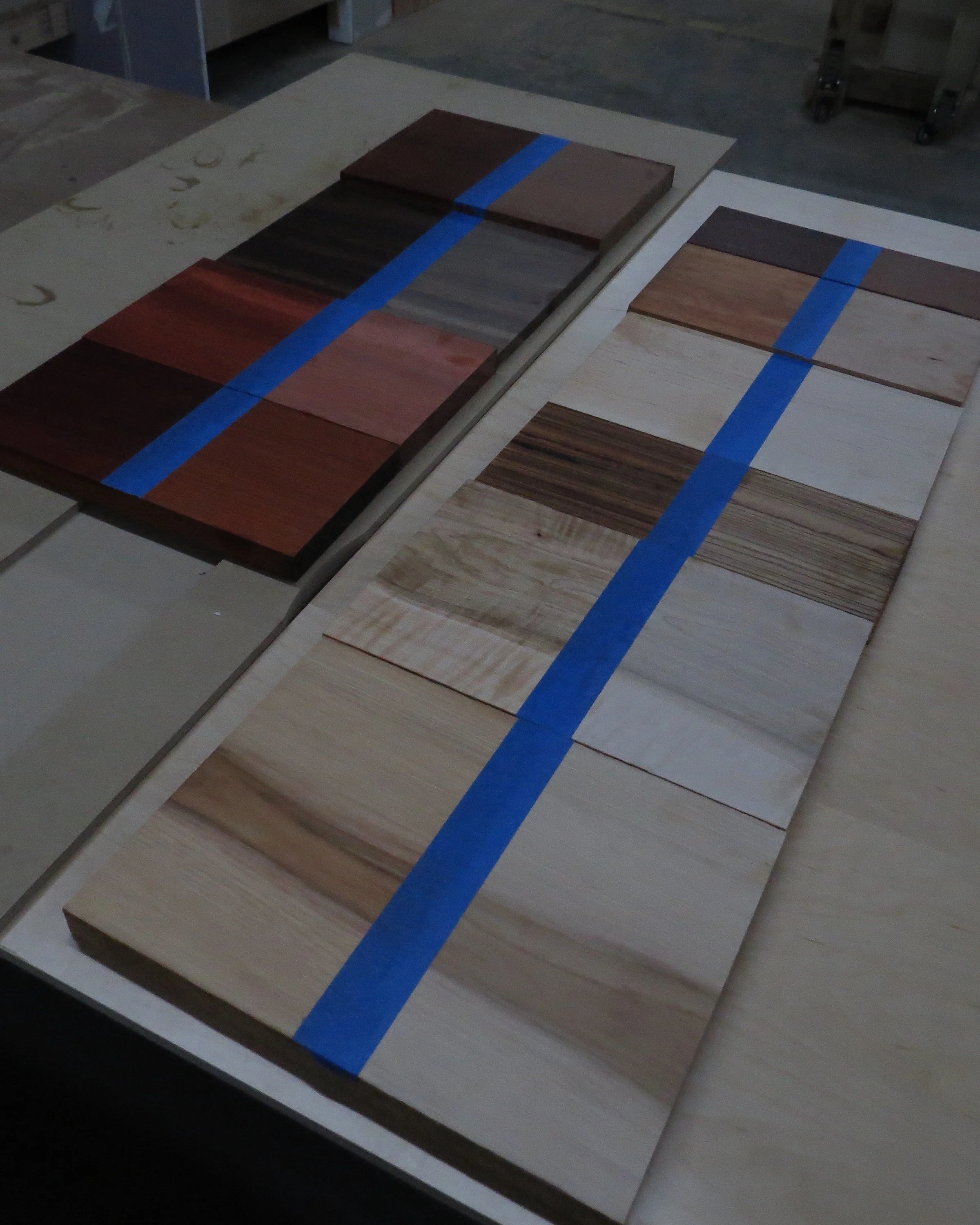
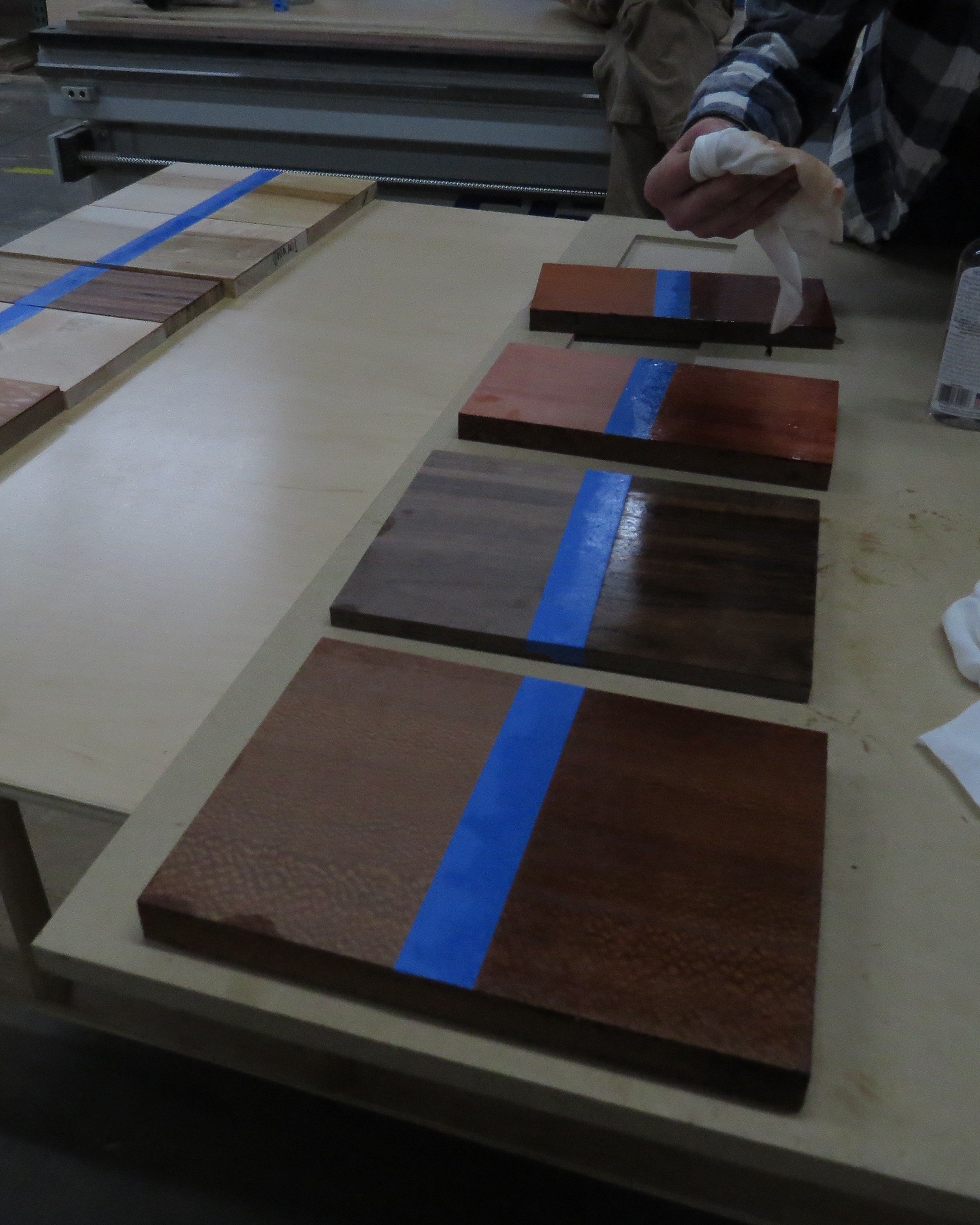
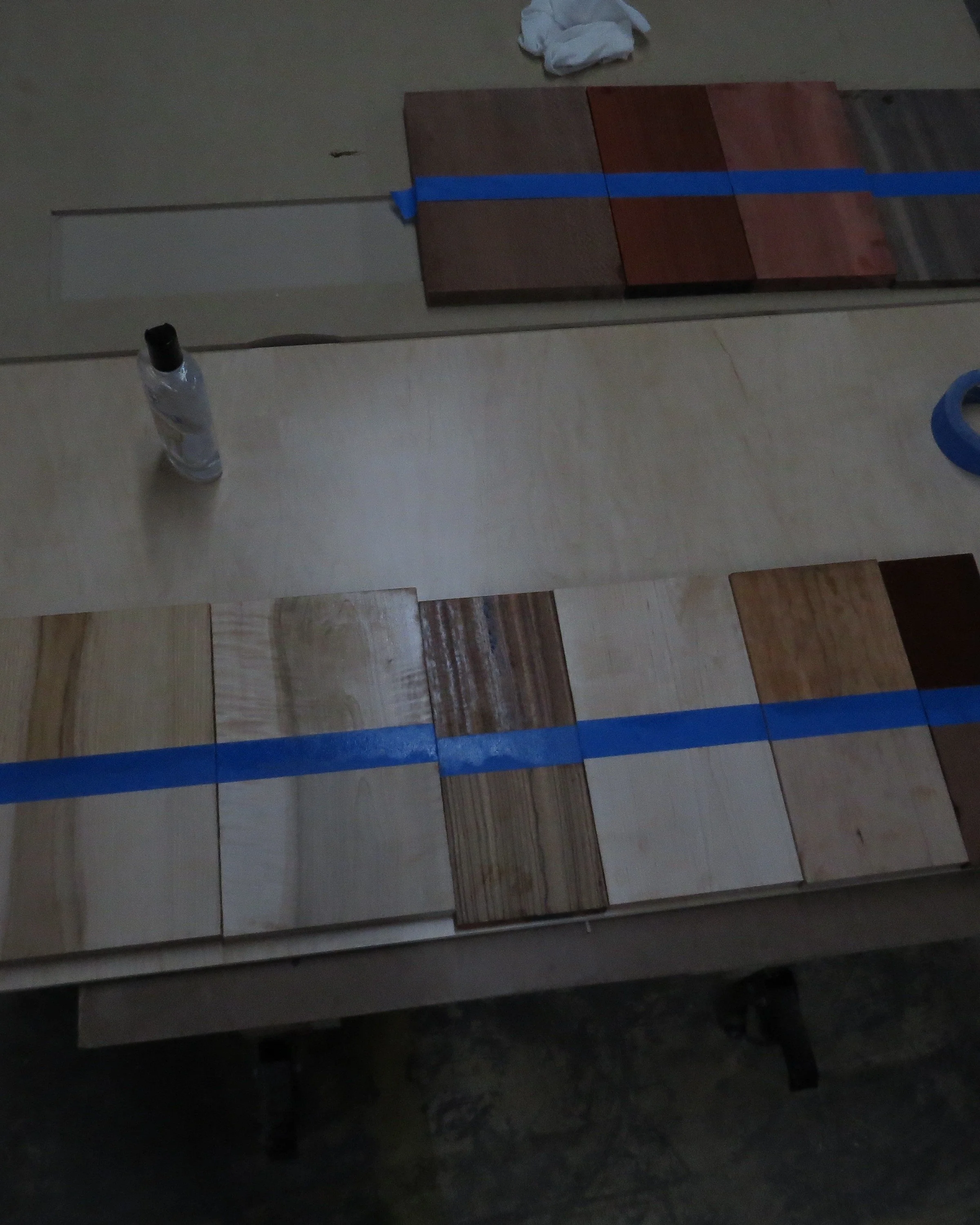
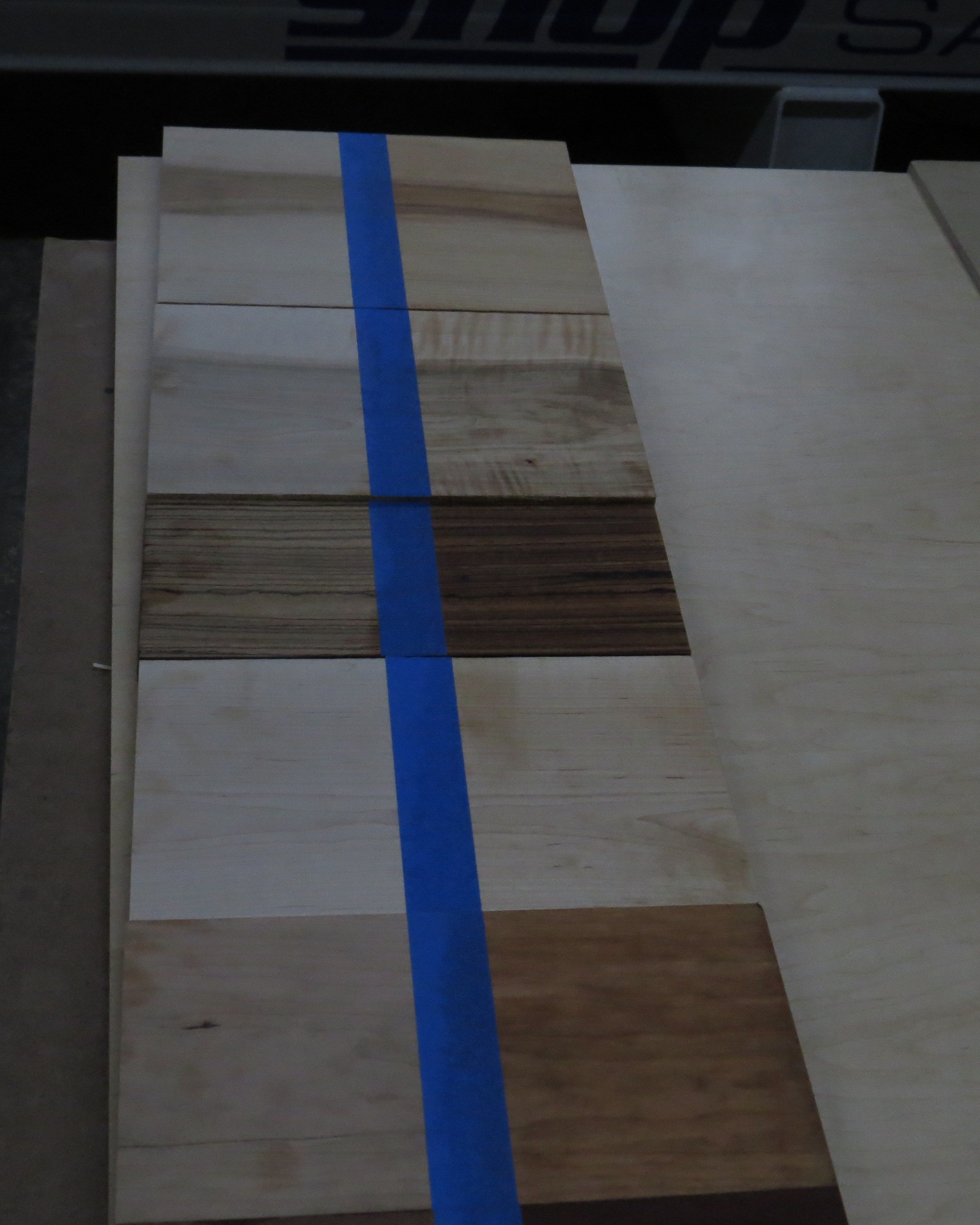
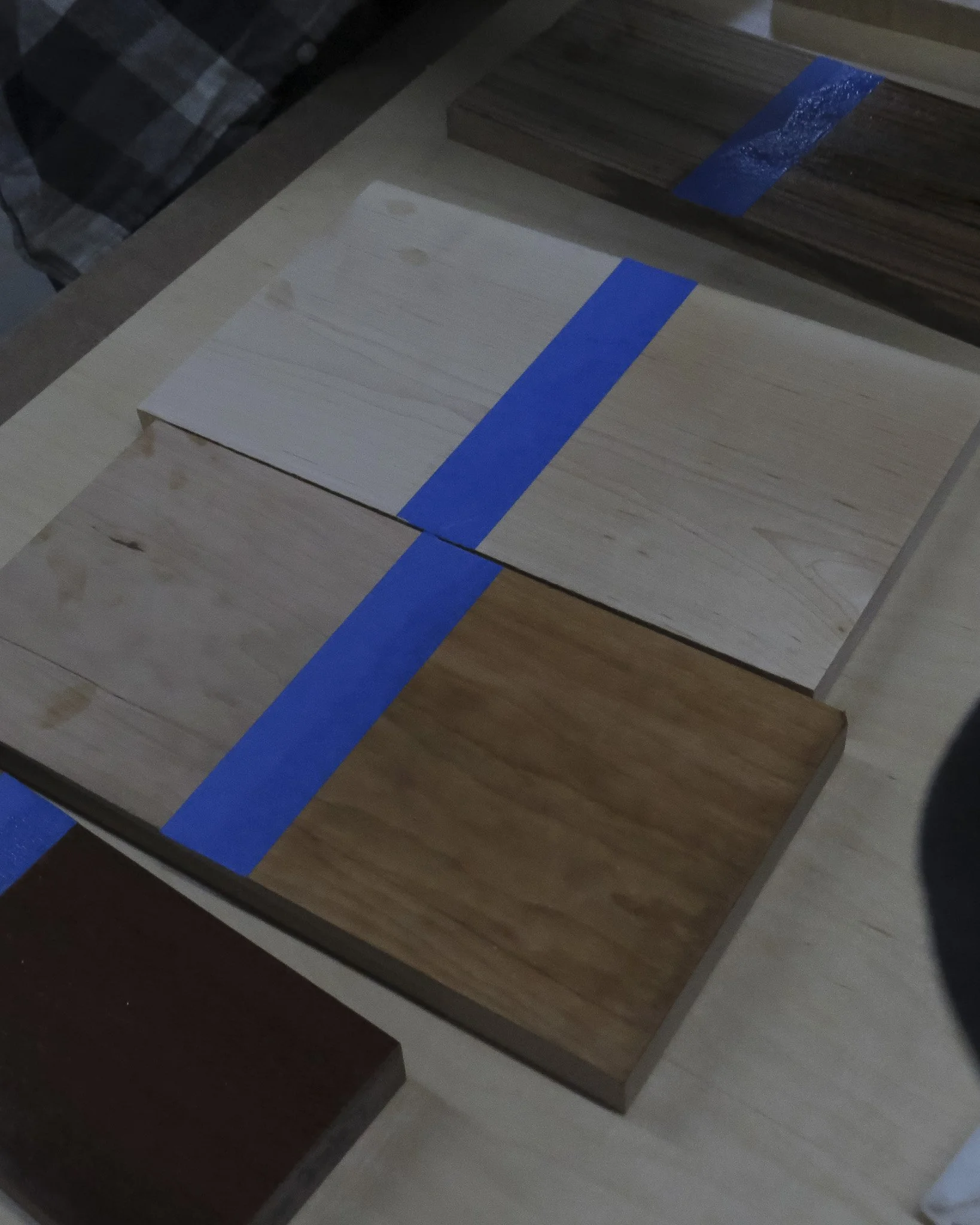
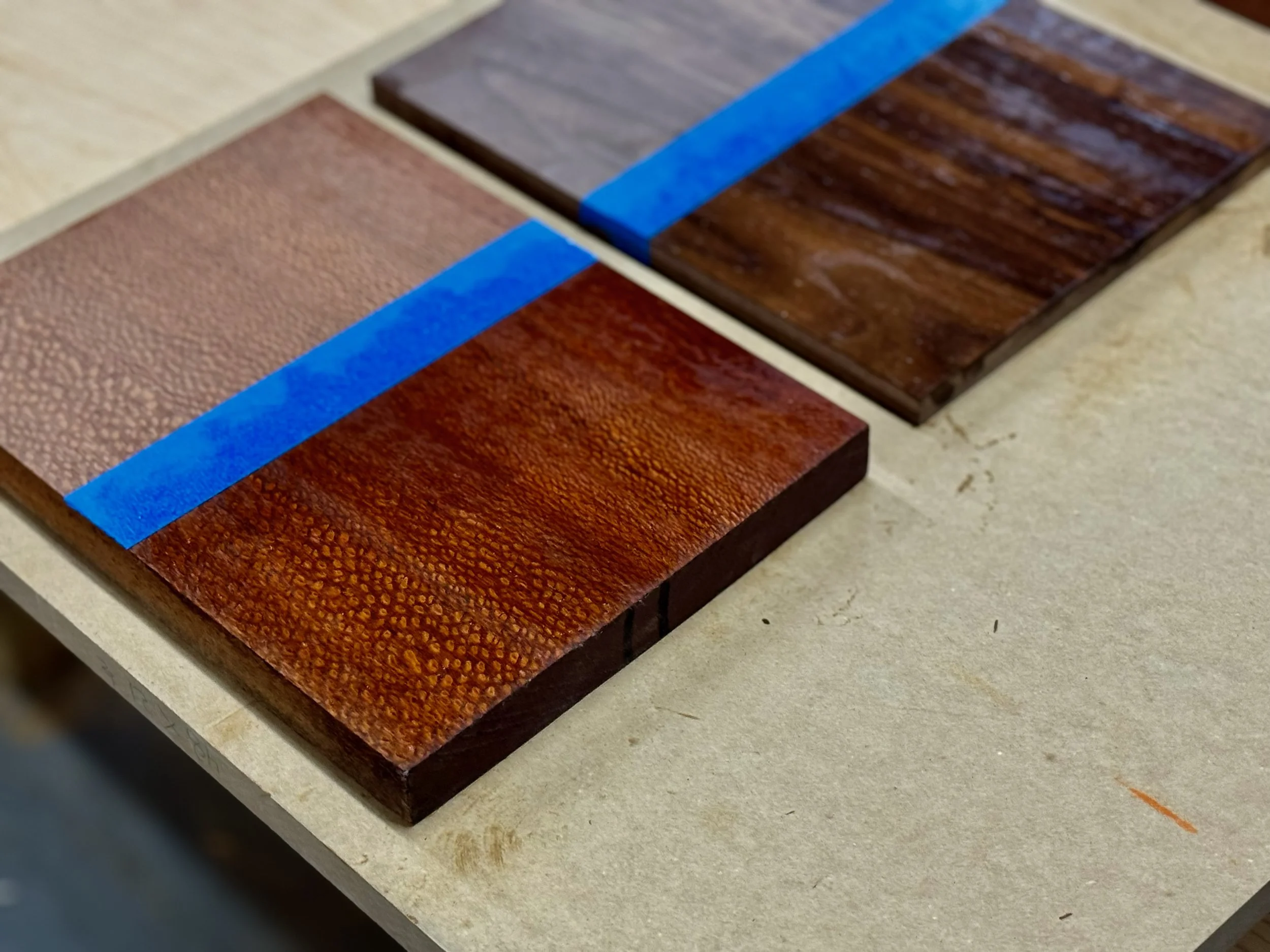
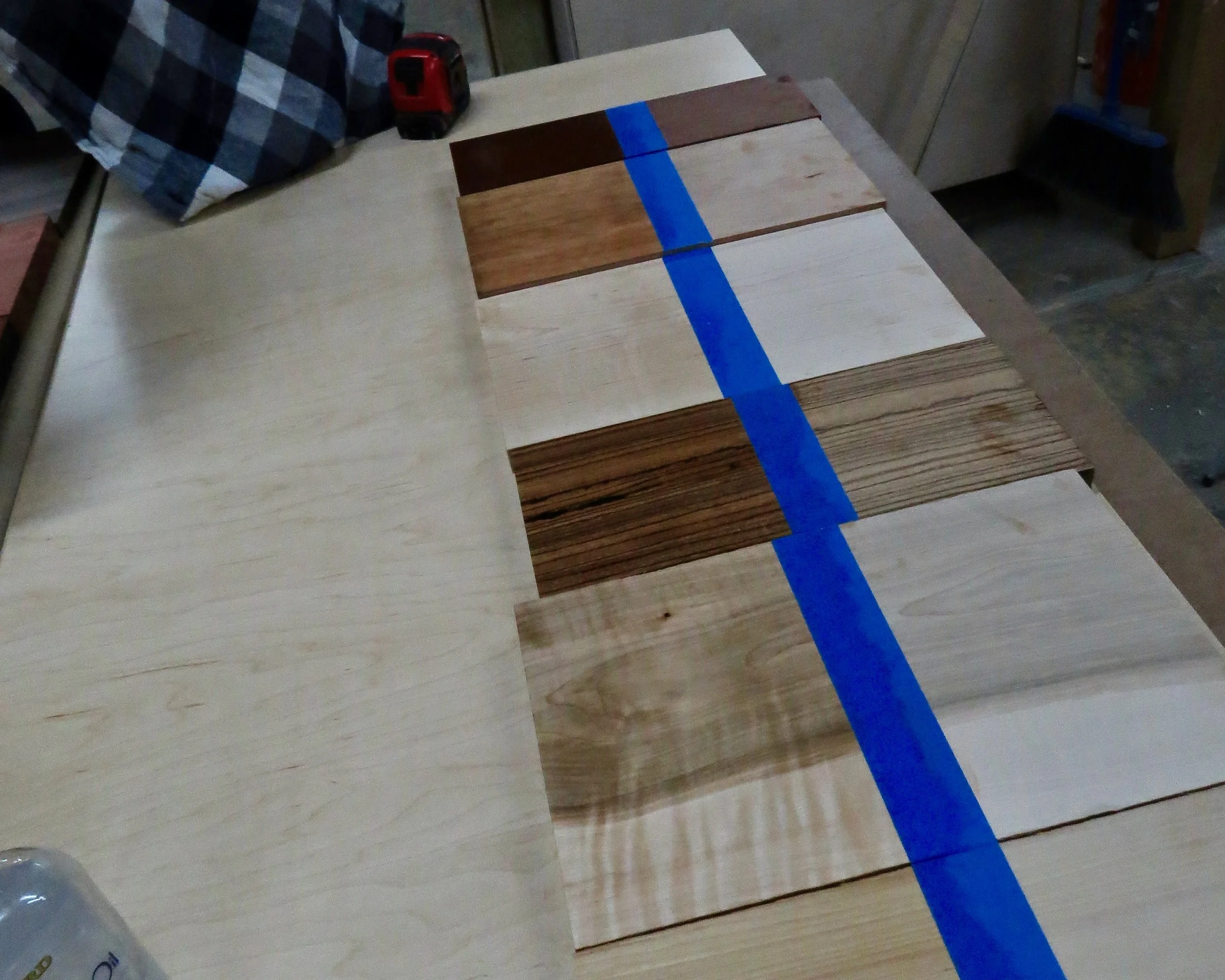
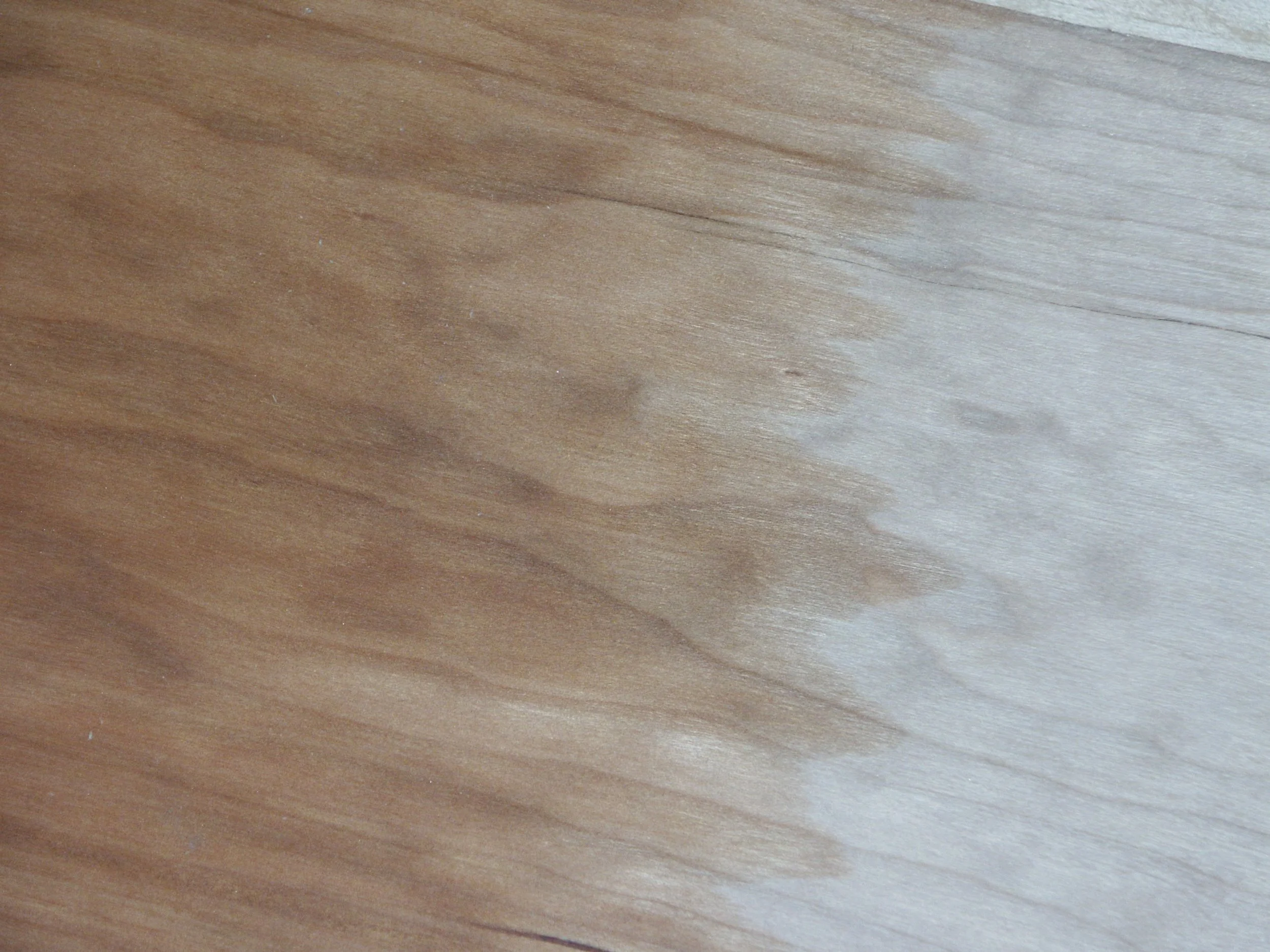
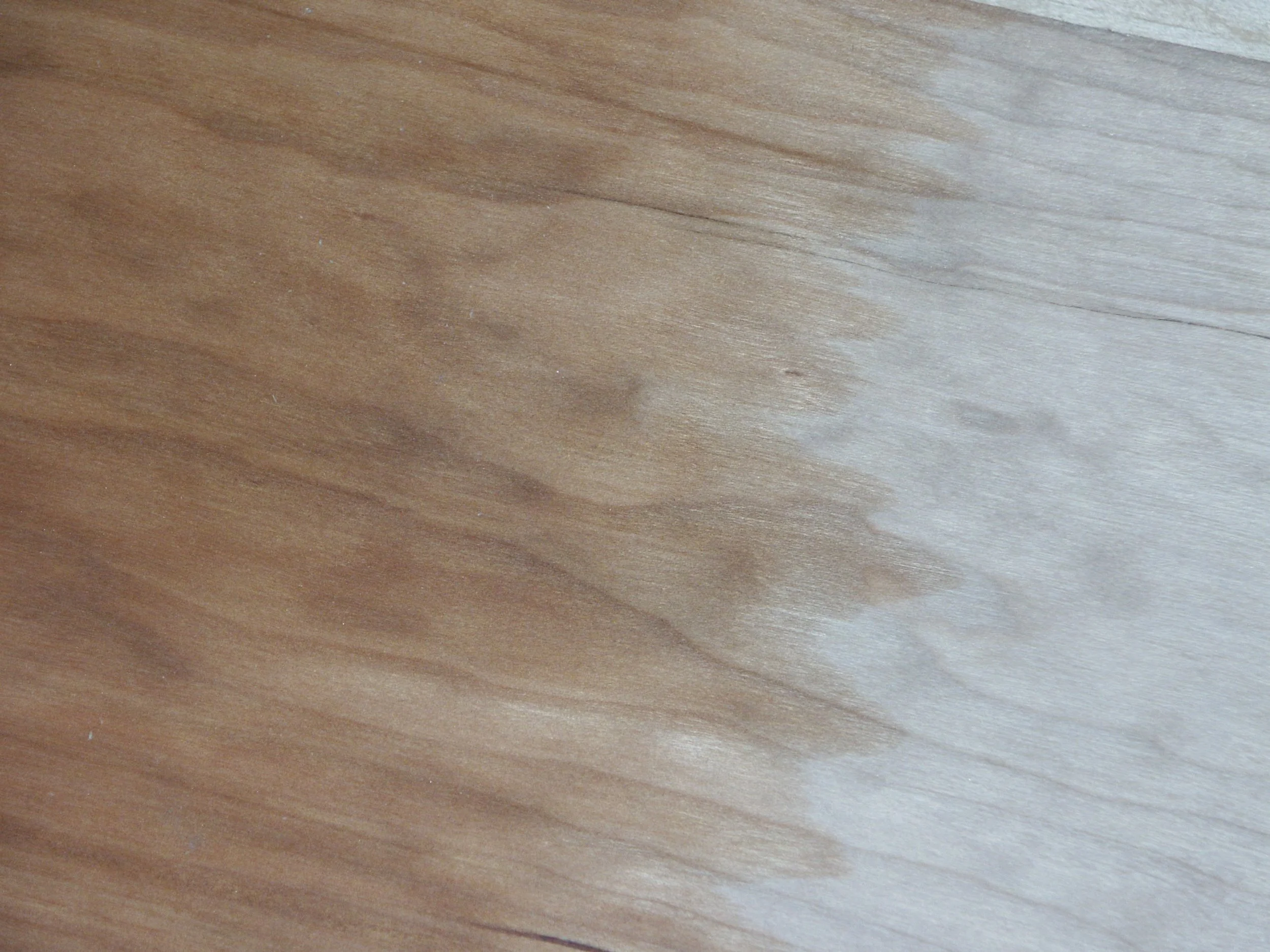
Milled: You're seeing the wood as it comes off the machine — true color, raw grain, cell cavities open to air. Figure is visible but flat, because light passes through the open cells without refraction.
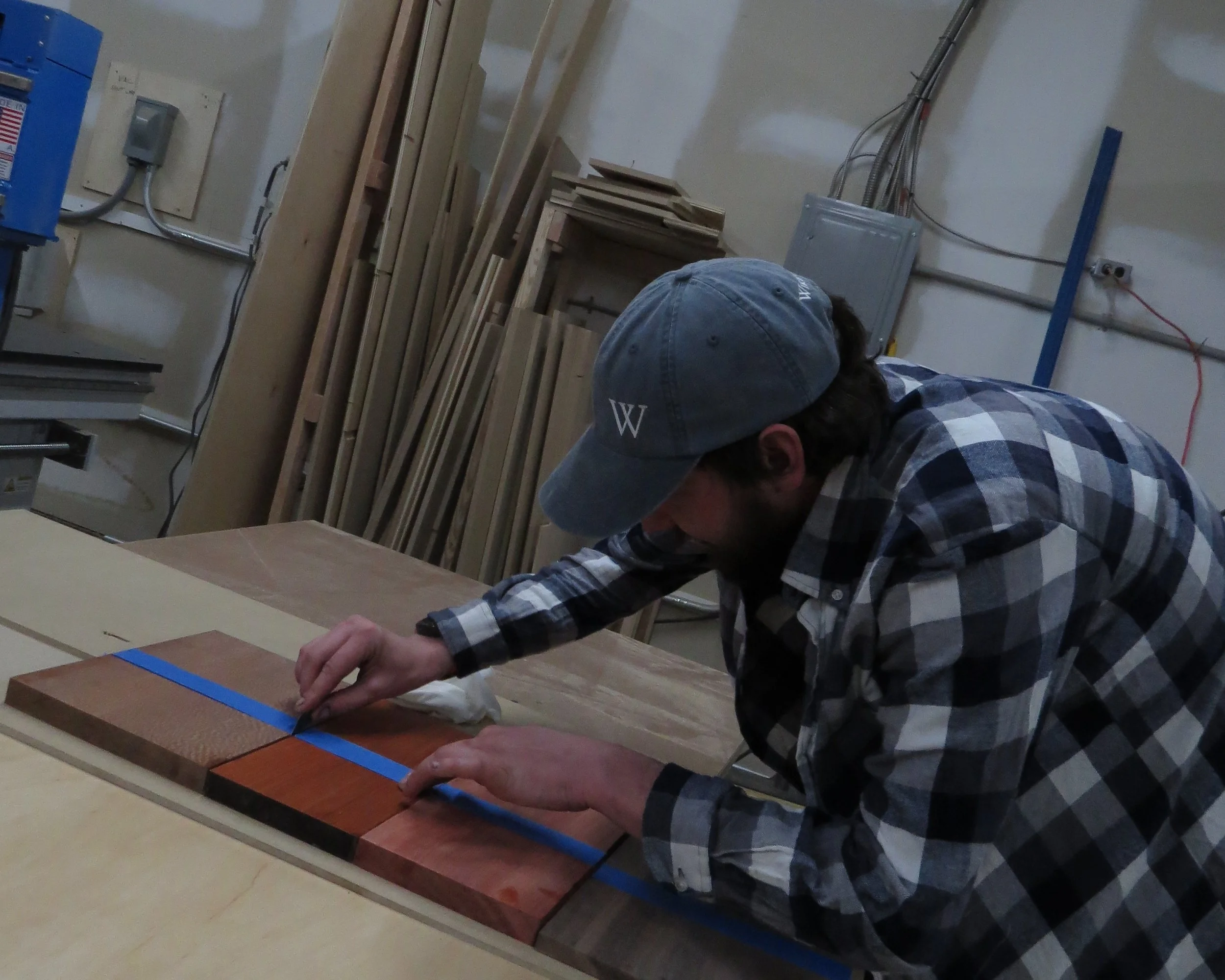
Oil-finished: A penetrating oil — linseed, tung, danish — doesn't sit on top of the wood. It enters the cellular structure, filling the pore spaces the way a moisturizer works below the surface of skin rather than on it. Figure jumps. Rays intensify. Tone deepens. The oil becomes part of the wood, not a coating over it — and because it moves with the wood rather than against it, it doesn't crack, peel, or lift the way film finishes do when the seasonal cycle pulls at the surface.
Every board absorbs differently — density, grain orientation, and cellular structure vary even within the same species, the same tree, the same plank. No two finished pieces read identically. It's not inconsistency. It's authenticity. Wood is the only building material that signs every piece it gives you.
We'll show you both faces — milled and oiled — for your chosen species before anything gets cut.
“Nature makes nothing twice. Neither do we.”
Our Wood Species
50+ USA-Sourced
Our Wood Species 50+ USA-Sourced
-
The six woods we reach for most — and why each one earns its place.
White Oak (Janka: 1,360) — Warm tan-brown, stable, and strong, with signature ray fleck when quartersawn. A refined workhorse for cabinetry, built-ins, tables, and architectural millwork.
Black Walnut (Janka: 1,010) — Deep chocolate brown with natural depth and movement. Luxurious without needing stain; best when the design lets the wood do the talking.
Cherry (Janka: 950) — Starts lighter and deepens over time into a rich reddish-brown. Ideal for heirloom pieces where aging is part of the beauty.
Hard Maple (Janka: 1,450) — Pale, tight-grained, dense, and clean. A precise, durable canvas for modern cabinetry, butcher-block surfaces, and sharp joinery.
Ash (Janka: 1,320) — Bold open grain with a modern, athletic read. Strong, resilient, and especially good when the wood should feel structural rather than decorative.
Hickory (Janka: 1,820) — Extremely hard, high-contrast, and unapologetically bold. Best for pieces where durability and visual strength both matter.
-
Beyond the signature six, we regularly mill and finish: Red Oak (1,220 Janka) — the most widely used hardwood in American furniture, with open, cathedral grain that reads warm and familiar. Soft Maple (950) — lighter and more workable than hard maple while still holding detail and taking finish cleanly. Poplar (540) — surprisingly strong for its weight, and one of the best paint-grade species available; its tonal range from cream to green-grey is wild in person. Birch — tight-grained and fine-textured, long favored for cabinetry interiors. Beech — dense and even, the traditional joinery wood of European furniture. Alder — fine, neutral grain; clean and quiet as a surface. American Elm — interlocked grain that resists splitting even when stressed, which is why it was the wagon-wheel wood for two centuries. Sycamore — dramatic medullary ray flecks that rival quartersawn white oak. American Mahogany — straight-grained, stable, the benchmark species for fine furniture for three hundred years. Teak — naturally oily cellular structure that resists moisture and decay without treatment. Holly — the whitest wood native to North America. Yellow Birch, American Chestnut, and more.
-
These are the species that make clients stop mid-sentence when they see the board. Pecan — the heaviest of the hickories, with even bolder sapwood-heartwood contrast. Butternut — coarse and light-colored, sometimes called white walnut; similar figure to black walnut but with a warm, golden tone. Sassafras — spicy-aromatic, ring-porous, the wood of the original American dugout canoe. Osage Orange — one of the densest woods in North America; so hard and rot-resistant it was used for fence posts that outlasted the fence. Black Locust — more naturally rot-resistant than teak by some measures; dense, tough, and underused. Mesquite — dense, irregular, wild grain from the American Southwest; no two boards move the same way. Honey Locust, Hackberry, Cottonwood, Aspen, and Quartersawn American Elm — its ray flecks rival sycamore, and the interlocked grain means it holds together under stress that would split a straight-grained species.
-
Softwoods have tighter growth rings and less porous cellular walls than hardwoods — they behave differently under the plane, take stain differently, and read differently in a room. We mill and finish: Douglas Fir — one of the strongest softwoods by weight-to-strength ratio; the backbone of Western American timber framing for over a century. Southern Yellow Pine — dense for a pine, with bold resinous grain and a warmth that reads almost like a hardwood. Eastern White Pine — the wood that built colonial New England; light, easy to work, and beautiful under a clear oil finish. Hemlock — straight-grained and stable, used in heavy timber construction. Cypress — naturally decay-resistant, used in wet and exterior environments for centuries; the bayou wood. Red Cedar — its aromatic terpenes actively repel insects; it's not just beautiful, it's biologically functional. Spruce — light and resonant; the species of choice for guitar soundboards and violin tops, chosen specifically because it transmits vibration without dampening it. Larch — dense and durable for a softwood, with a warm, golden tone.
-
Every species decision involves at least four variables: aesthetic (color, figure, grain character), movement (how much it expands and contracts seasonally, and in which direction), durability (Janka hardness, shock resistance, surface wear), and finish compatibility (how it absorbs oil, how it holds paint, whether it needs grain-filling). Those four variables interact differently for every application — a kitchen island has different demands than a bedroom dresser or a library built-in.
All 50+ species we carry are USA-sourced and milled in our Philadelphia-area shop. During your consultation, we'll walk you through the candidates for your project, pull actual boards, and show you both milled and oiled samples of each — because a species you love on a website can read completely differently as a real board in your hands. That conversation happens before anything gets cut.
Solid Hardwood.
Every Time.
Solid Hardwood. Every Time.
Contact us
Interested in working together? Fill out some info and we will be in touch shortly. We can’t wait to hear from you!